PWM Perspectives provides valuable insights into market dynamics, investment opportunities through Q Wealth, and key financial indicators. We are committed to keeping you informed with timely updates from PWM Private Wealth Counsel and Q Wealth Partners, our partner portfolio management firm.
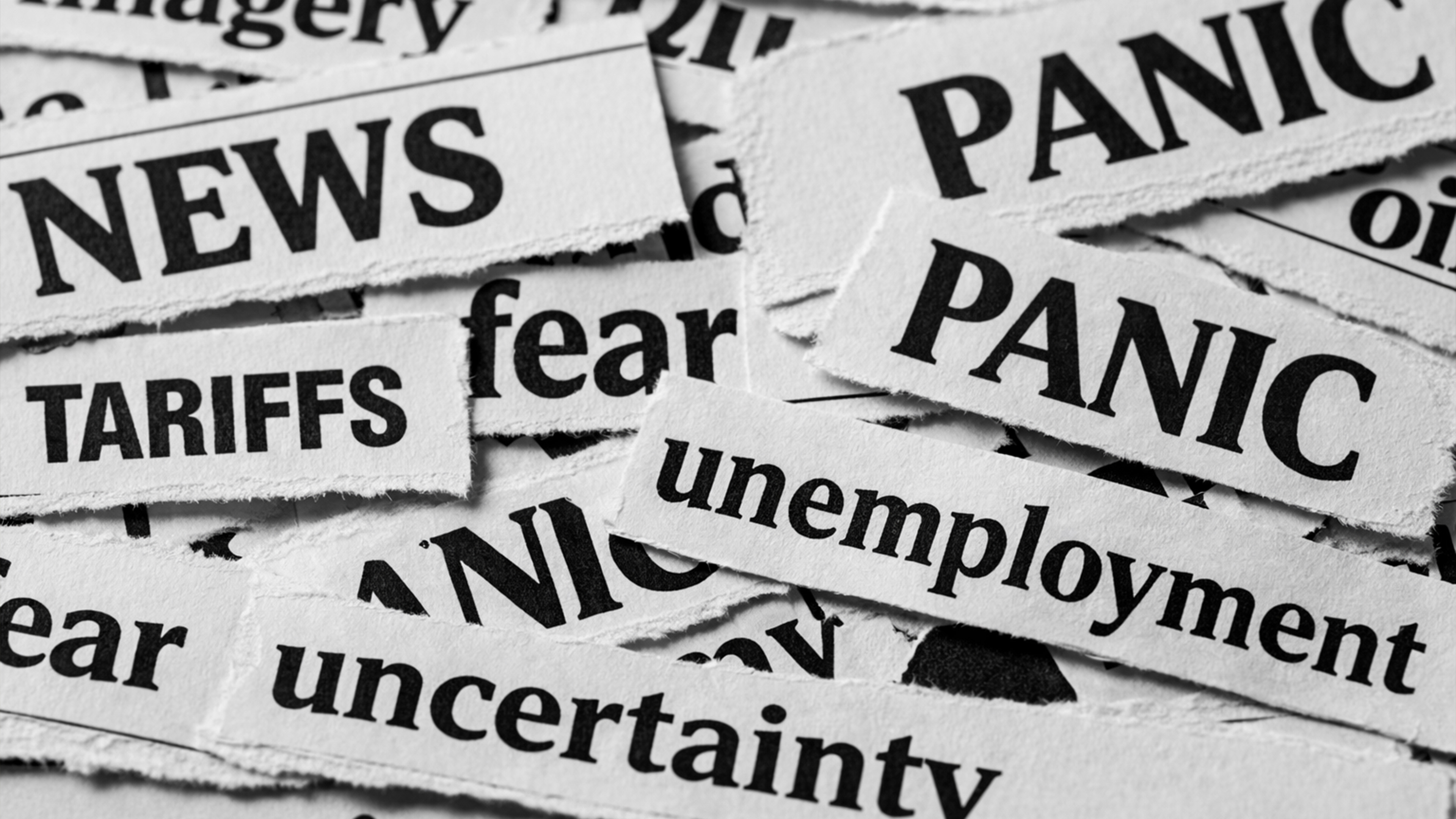
Don’t Listen to the Noise, or Read This Headline (But You Will Read Headlines, and So what are you supposed to do about it?).
Did the above headline grab your attention? In financial circles, “ignore the noise” is nice advice, but today’s firehose of alerts makes it nearly impossible (it doesn’t help when the computer in your pocket is always buzzing), so you need a system that works with noise, not against it.
Here’s the simple reason headlines are so sticky. In Daniel Wegner’s classic “white bear” experiment (which some people recall as the “don’t think of pink elephants” study), people told not to think about a white bear still thought about it, about once per minute on average. And when they were later allowed to think about it, they mentioned it more than a group that had never tried to suppress the thought, a phenomenon known as the rebound effect.
That’s how headline risk can attract more of your attention than the actual risk. In other words, “don’t think about escalation” or “don’t think about the conflict in the Middle East” lights up the escalation frame in your head. Cognitive linguist George Lakoff popularized this idea: even a negation (i.e. “don’t think…”) activates the very frame or idea you’re trying to avoid.
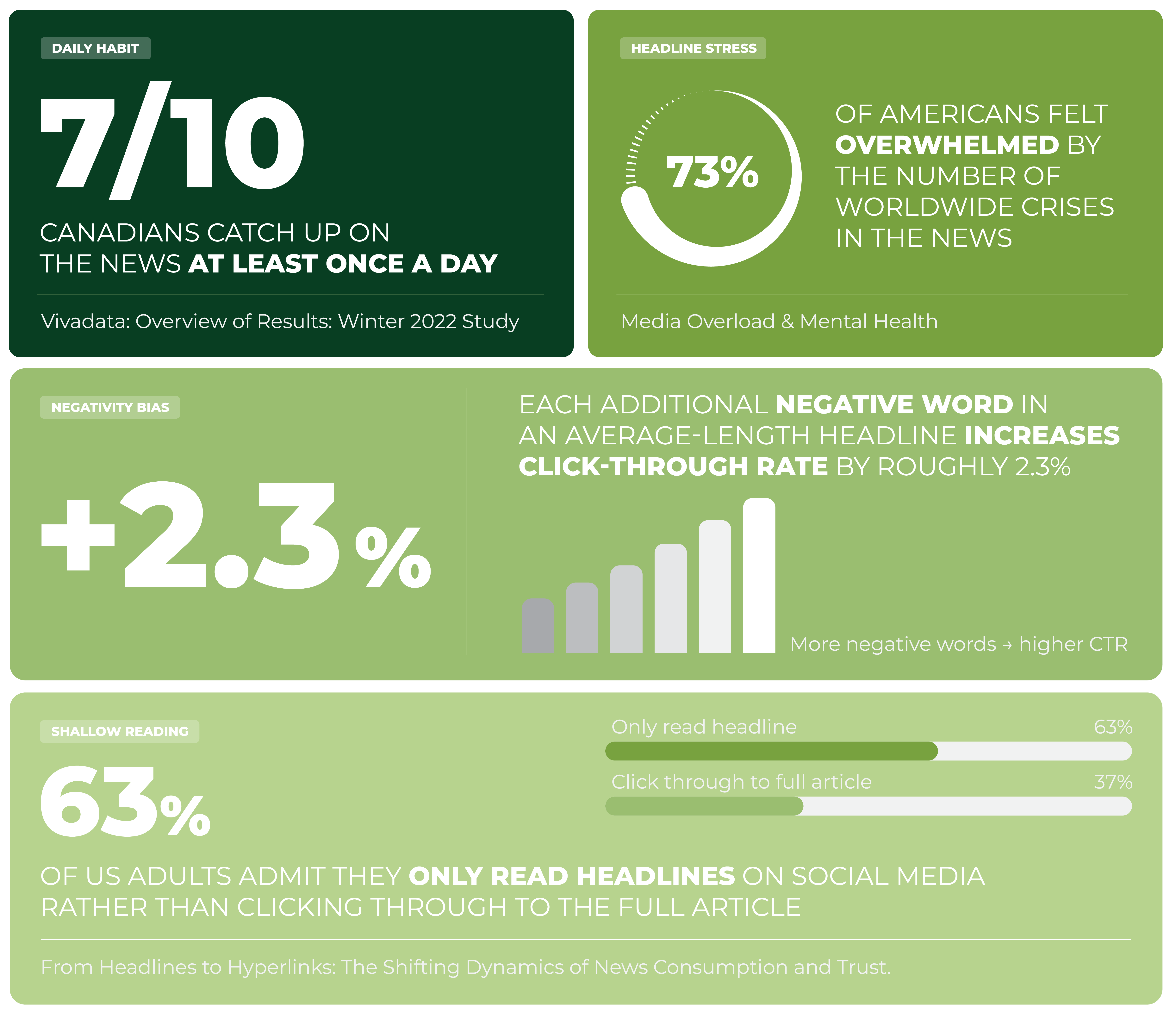
Trying not to think about scary news makes you monitor for it, so you end up clicking more, trading more, and worrying more, even when fundamentals haven’t changed much. That’s Wegener’s “ironic process” at work, amplifying noise and creating feedback loops that can swamp the signal in the near term.
(Fun detail, in Wegner’s original study, participants who were told to think of a "red Volkswagen" whenever the "white bear" came to mind were more successful at reducing the unwanted thought than those simply told to suppress it.)
But from an investing perspective, headlines do not determine the market. Historical data actually shows that markets tend to absorb geopolitical shocks faster than headlines imply. Over eight decades of events, the S&P 500’s average total decline around geopolitical shocks has been in the mid-single digits, with recovery usually taking weeks, not years. J.P. Morgan also finds that 6–12‑month equity returns following such events generally align with the long‑term average, unless the shock develops into a broader macro regime shift.
You don’t have to ignore headlines. Just keep them from driving the car. Build a financial and investment plan (diversified to your risk profile and return needs) you’ll trust when your feeds are loudest and let that plan do the thinking when “don’t think of an elephant” is all you can hear.
And one last point (you could call this our “Red Volkswagen”), here is a chart to help show perspective beyond the worry. While past performance is not indicative of future results, the chart shows that the S&P 500 has historically shown resilience in the year following 2-day oil surges of more than 20%.
.png)
Recent Life After Harvest Seminar:
For those of you who were able to attend our recent Life After Harvest Seminars, we hope you found it valuable! We are always available to discuss any of the topics further or if you’re considering a farm transition or sale, feel free to reach out so we can help you build a plan for the future.